
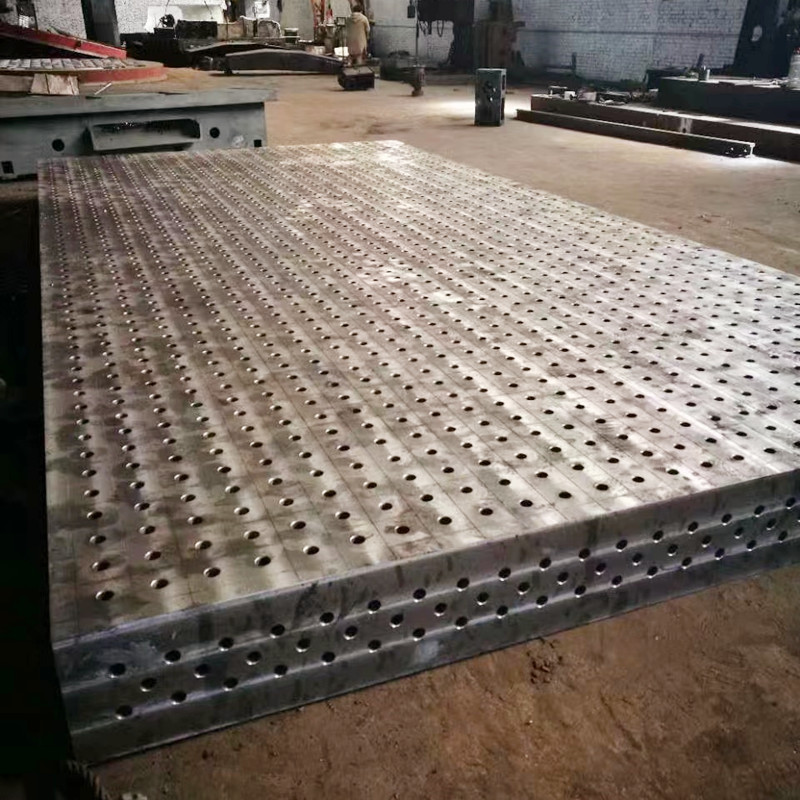
kitchen backsplash glass panels
Understanding Ring and Plug Thread Gauges A Key Tool for Precision Engineering In the realm of precision engineering, the importance of accurate measurement cannot be overstated. Among the crucial tools employed in this field are thread gauges, specifically ring and plug thread gauges. These instruments play an integral role in ensuring that threaded components meet specified tolerances and standards, which is essential for the functionality and safety of assembled products. What are Ring and Plug Thread Gauges? Ring and plug thread gauges are specialized tools used to measure the dimensions of external and internal threads, respectively . The primary purpose of these gauges is to verify whether a threaded part, such as a bolt or a nut, conforms to designated specifications. - Ring Gauges These are used to check the external threads of a component. They come in the form of a ring that can be placed over the threaded part. The gauge is designed to fit tightly onto a thread that meets the specifications, while it will not fit on a thread that is too large or has been improperly machined. This straightforward design allows for quick and effective inspection of the thread’s capacity to hold and bear loads, a critical aspect in many engineering applications. - Plug Gauges Conversely, plug gauges are utilized to inspect internal threads. Shaped like a plug, these gauges are inserted into the threaded hole of a component. Similar to ring gauges, plug gauges have specific tolerances and will only fit properly into threads that are within the acceptable range. This differentiation between external and internal gauges is vital, as ensuring compatibility in threaded connections is foundational for assembly integrity. Why are They Important? ring and plug thread gages The significance of ring and plug thread gauges extends beyond mere measurement. In many industries, especially those involving critical applications such as aerospace, automotive, and manufacturing sectors, the adherence to precise specifications is paramount. Misaligned or poorly machined threads can lead to failures, safety hazards, and costly recalls. Utilizing these gauges helps manufacturers maintain quality control and reduce variability in production processes. By implementing regular checks with ring and plug gauges, companies can ensure that their products function correctly, reduce waste from rework, and uphold a reputation for quality. Standards and Calibration To ensure accuracy, it is essential that ring and plug thread gauges are calibrated regularly and comply with international standards such as those established by the International Organization for Standardization (ISO) and the American National Standards Institute (ANSI). The manufacturing process of these gauges also adheres to strict tolerances to guarantee precision in measurement. Conclusion In summary, ring and plug thread gauges are indispensable tools in precision engineering. Their ability to verify the integrity of threaded components not only facilitates quality assurance during production but also promotes safety and reliability in the use of various mechanical assemblies. As industries continue to evolve toward greater automation and higher precision, the significance of these tools will undoubtedly remain, cementing their role as a cornerstone of effective engineering practices.
about
kitchen backsplash glass panels
Types of Thread Gauges An Overview Thread gauges are essential tools in engineering and manufacturing that ensure precision and accuracy in threaded components. Their primary function is to measure the pitch, major diameter, minor diameter, and thread angle of threaded parts. Understanding the different types of thread gauges is crucial for those involved in industries such as manufacturing, automotive, and aerospace, where tolerance levels are stringently maintained. This article will delve into various types of thread gauges and their applications. 1. Go and No-Go Gauges One of the most basic forms of thread gauges is the Go and No-Go gauge. This type consists of two separate gauges the Go gauge, which represents the maximum allowable limits of a thread, and the No-Go gauge, which denotes the minimum allowable limits. When a threaded part passes the Go gauge but fails the No-Go gauge, it confirms that the part is within the specified tolerance range. This dual approach helps manufacturers quickly assess whether a part meets quality standards. 2. Thread Plug Gauges Thread plug gauges are cylindrical tools used to check the internal threads of parts, such as nuts or tapped holes. These gauges are available in both Go and No-Go styles. The Go end of the gauge should fit easily into the threaded hole, while the No-Go end should not fit. This ensures that internal threads are cut to the correct pitch and depth. 3 . Thread Ring Gauges Conversely, thread ring gauges are used to measure the external threads of parts, such as bolts and screws. Similar to thread plug gauges, they also come in Go and No-Go variants. The Go gauge checks the maximum limit of the external thread, while the No-Go gauge ensures that the thread does not exceed tolerance levels. These gauges are particularly important in applications where external threads must fit precisely into matching female threads. types of thread gauge 4. Thread Calipers Thread calipers are another type of thread gauge designed for more versatile applications. They can measure the pitch diameter of both internal and external threads. This tool is especially useful for assessing the uniformity and consistency of threads across a batch of threaded components. Unlike Go and No-Go gauges, thread calipers provide more detailed measurements, allowing for finer adjustments and quality control. 5. Pitch Gauges Pitch gauges are specialized tools used to measure the pitch of threads, which is the distance between one thread crest and the next. These gauges typically have various slots to accommodate different thread sizes and pitches. While they do not provide full measurements of the thread diameter or angle, they are invaluable for quickly identifying the pitch of a thread, aiding in selecting the appropriate tap or die for further machining processes. 6. Digital Thread Gauges With advancements in technology, digital thread gauges have emerged, providing a higher level of precision and ease of use. These gauges often come equipped with digital displays that show readings in real-time and can store multiple measurements for later reference. They are particularly advantageous for applications requiring frequent measurement and verification, improving efficiency in quality control processes. Conclusion The variety of thread gauges available is a testament to the importance of precision in manufacturing and engineering. From simple Go and No-Go gauges to advanced digital gauges, each type of thread gauge serves a specific purpose to ensure that threaded components meet the necessary specifications. Understanding these different types can significantly impact quality control and overall manufacturing efficiency, underscoring the importance of correctly calibrated and maintained thread gauges in any production setting.
-

High quality industrial productsagement

High quality industrial products
View Details -

Meet the diverse needs of customers

Meet the diverse needs of customers
View Details -

Strict quality control

Strict quality control
View Details -

Top raw materials

Top raw materials
View Details -

Trusted supplier

Trusted supplier
View Details
Our application

news and information
Wählen Sie Schnappmesser
Der Dial-Snap-Gauge ist ein essenzielles Werkzeug in der Welt der Messtechnik und Qualitätssicherung

Valvola a saracinesca 1500
Valvole a Sfera 1500 Caratteristiche e Applicazioni Le valvole a sfera sono uno dei componenti fonda
Versatile Clamps for Efficient Welding Table Setup and Secure Workholding Solutions
Essential Guide to Welding Table Clamps A Must-Have for Every Workshop Welding is a crucial skill in
 English